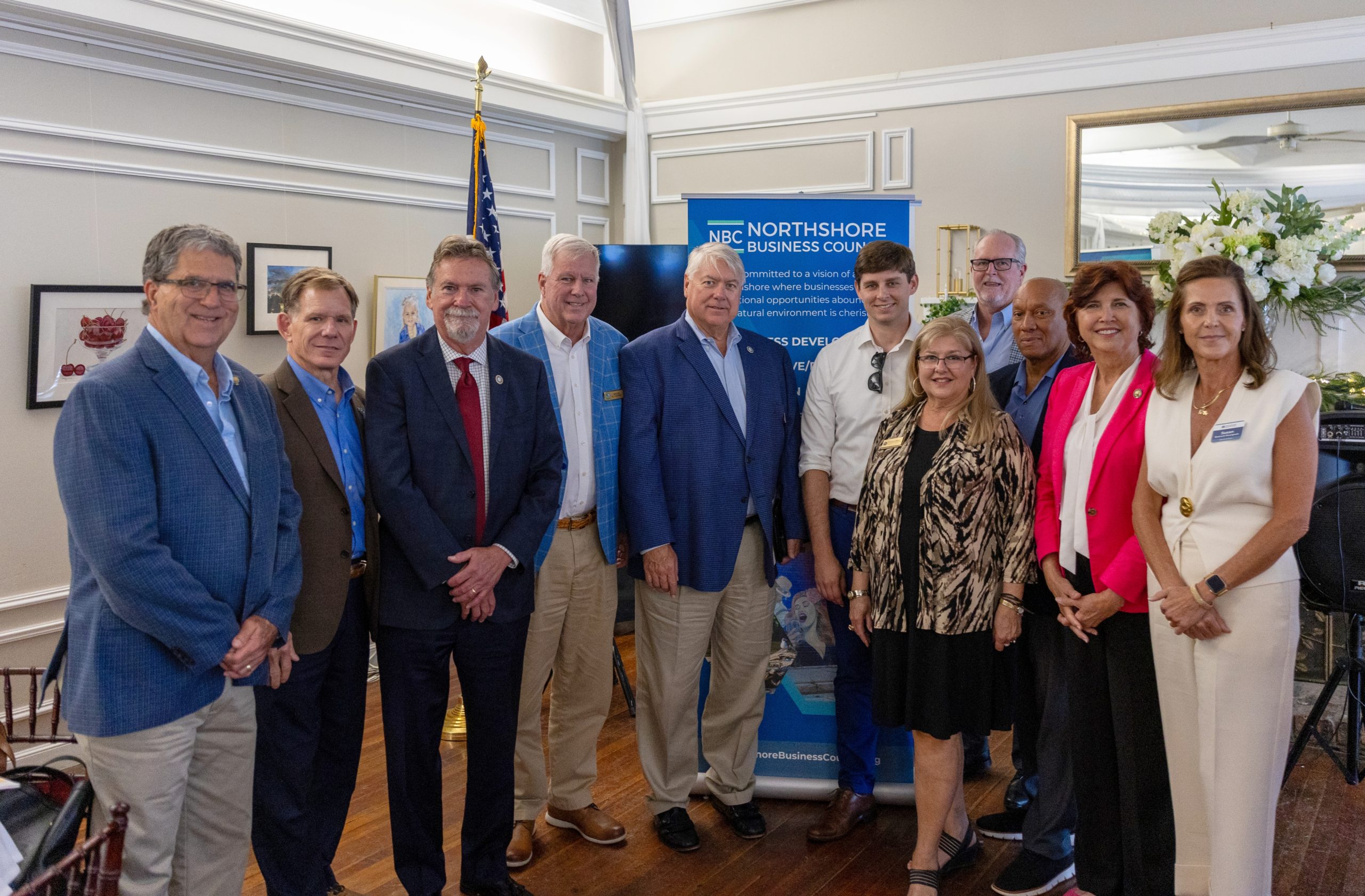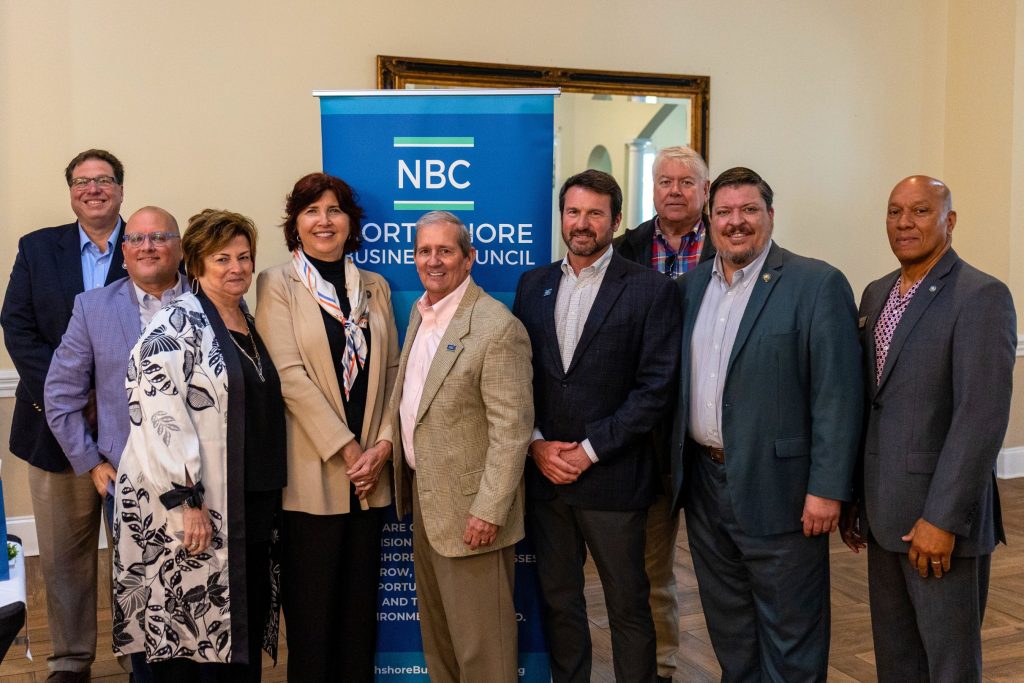
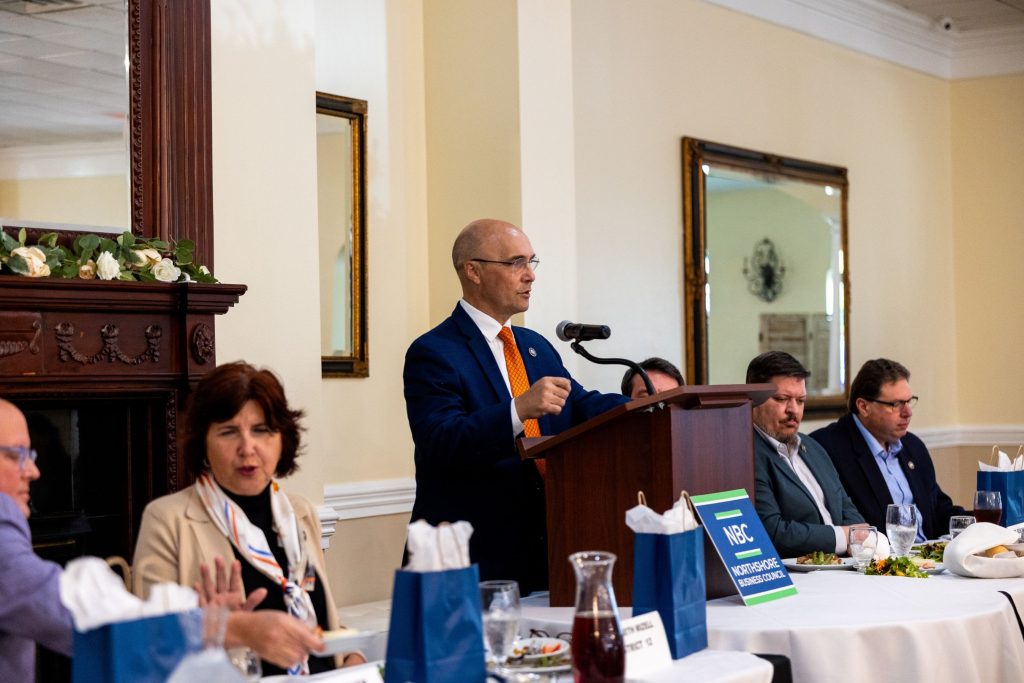
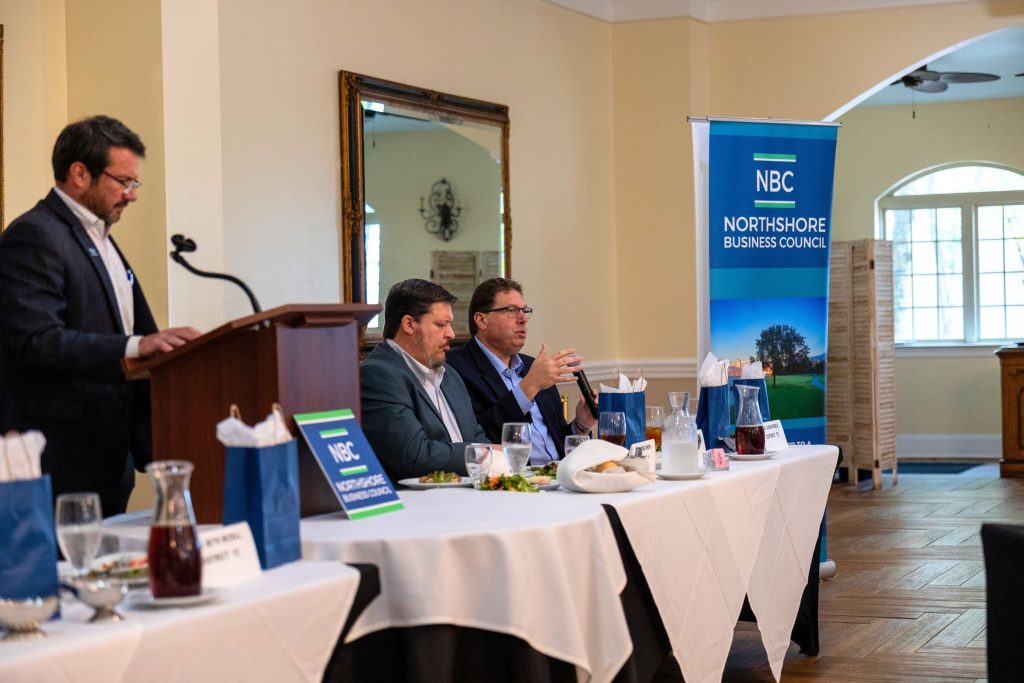
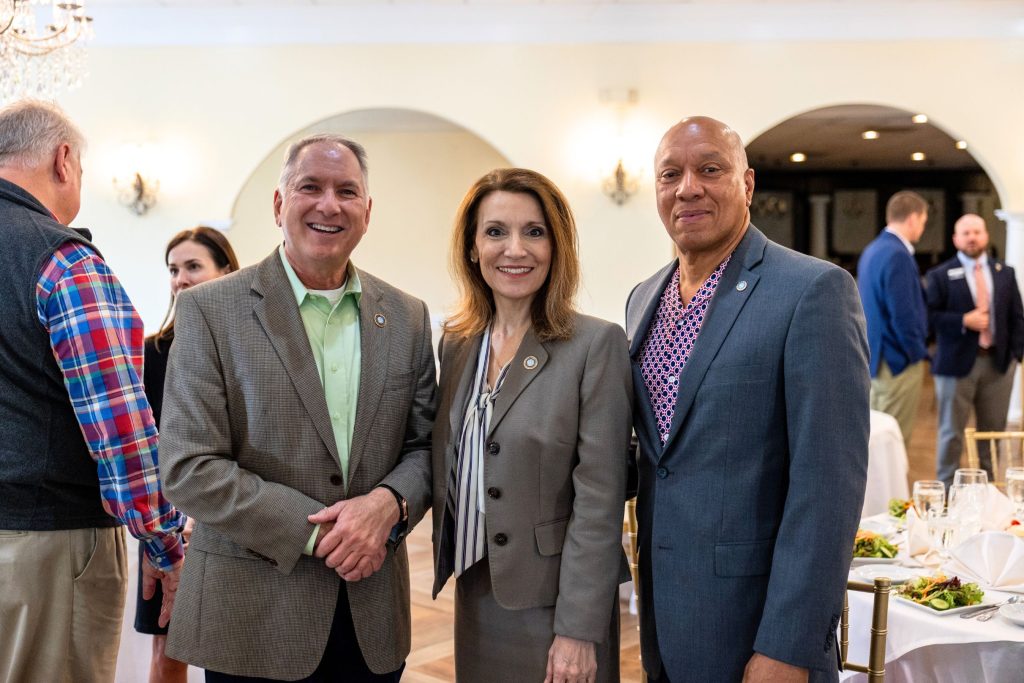
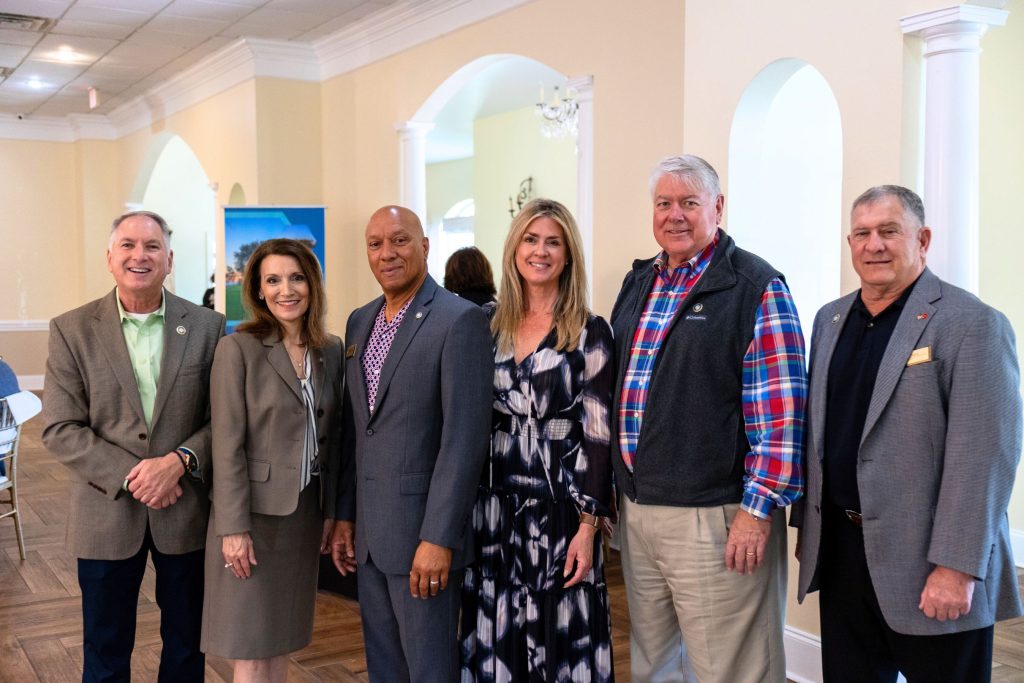
Representatives and senators serving St. Tammany, Tangipahoa, and Washington Parishes laid out their priorities for the upcoming session and fielded questions from the room. The conversation was candid, detailed, and covered serious ground.
Louisiana Is at an Inflection Point
Multiple speakers framed this session against a backdrop of real economic momentum. Senator Bob Owen (District 1) highlighted more than $1 billion in capital investment currently flowing into Louisiana. Representative Kim Carver (District 89) went further, noting that $100 billion in statewide investment has been announced and making clear that the Northshore must actively position itself to capture its share.
That means workforce pipelines ready to match new jobs, infrastructure built to handle growth, and a regulatory environment that does not push businesses away before they arrive. Each of those themes ran through the afternoon.
“Louisiana has announced $100 billion in capital investment. The Northshore has to be ready. “
Representative Kim Carver, District 89
Workforce and Education: Four-Day Weeks, Childcare, and the Pipeline Problem
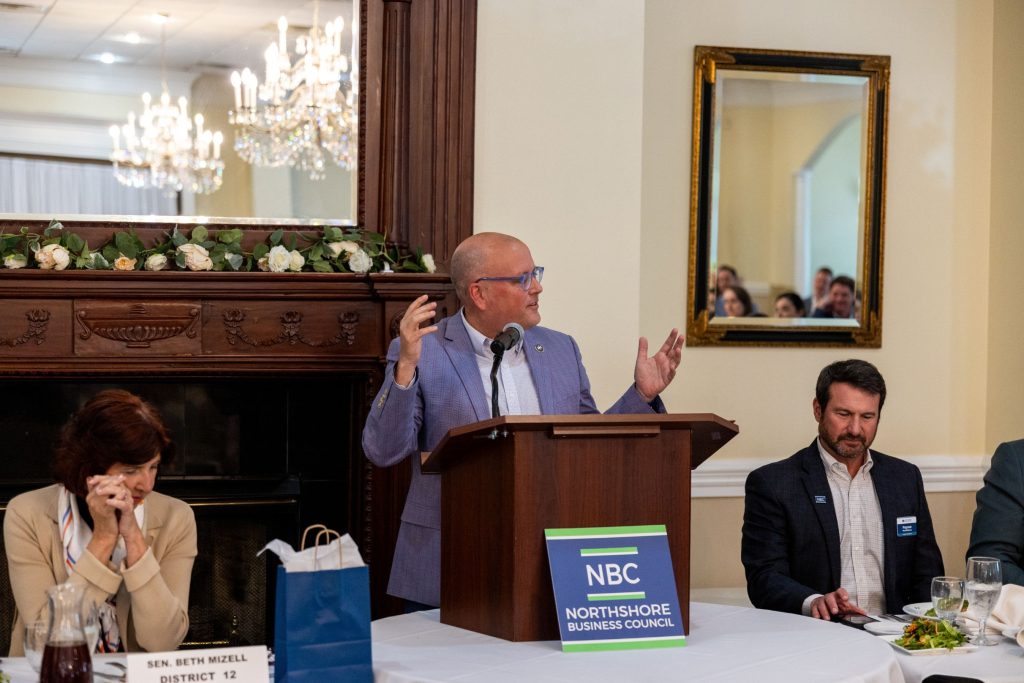
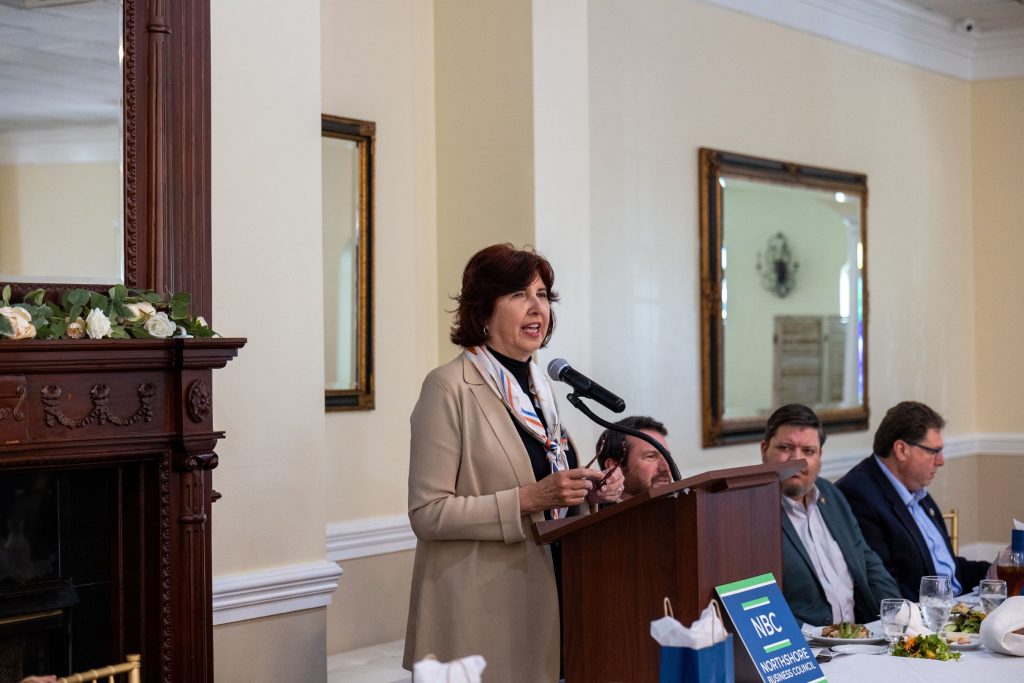
Senator Beth Mizell (District 12), Chair of the Commerce, Consumer Protection and International Affairs Committee, brought urgency to her remarks. This is her final major session, and she is making it count.
Her top priority: reversing the spread of four-day school weeks, which now affect 17 Louisiana districts. The business case is straightforward. When companies evaluate relocation, a four-day school calendar signals instability for working families and makes recruitment harder. It also cuts off food access for children who depend on school meals five days a week.
Sen. Mizell also raised a striking data point: 54 percent of babies in Louisiana are currently being born to single mothers. Her legislation targets this directly, creating pathways for single parents to pursue certifications and enter the workforce without losing childcare support. The goal is to interrupt the cycle of intergenerational poverty with a ladder, not just a net.
“54% of babies are being born to single mothers. We have to build programs that give those parents a real path forward.“
Senator Beth Mizell, District 12
Representative Carver complemented this with legislation to formalize early career exposure programs, connecting students directly to employers through partnerships with local educational institutions and Louisiana Workforce. In a region poised to absorb significant new investment, having a workforce ready to step into those jobs is not optional.
Public Safety: Accountability Gaps the Northshore Can No Longer Ignore
Some of the afternoon’s most striking moments came from Sen. Mizell’s public safety agenda. Louisiana has made real progress on rape-kit tracking and lab processing, but a troubling gap remains at the next step: there are currently 300 cases where DNA from a rape kit has been matched to a suspect and nothing has been done. No prosecution, no follow-up. Sen. Mizell’s proposed fix is practical: flag the driver’s license of anyone with an unresolved DNA match so that officers are automatically alerted during a routine traffic stop.
She also described legislation requiring formal review of the Department of Children and Family Services’ response in cases of child fatality, citing a case where DCFS received three mandatory reports before a child was killed.
Representative Brian Glorioso (District 90) addressed DUI accountability, pursuing legislation that would prevent severely intoxicated arrestees from being released back onto the street. He also introduced officer safety legislation focused on vehicle pursuits, including grant funding and remote anti-pursuit technology funded by a small surcharge on driver’s license renewals projected to generate roughly $2 million annually.
Regulatory Reform: Clearing the Way with AI
Representative Mark Wright (District 77) made a compelling case for using artificial intelligence to systematically review Louisiana’s administrative regulatory code and eliminate what no longer serves the state. The regulatory burden, Rep. Wright argued, is not one large obstacle. It is thousands of small ones: outdated rules, redundant requirements, and unnecessary restrictions that collectively represent a serious drag on business growth.
“It's death by a thousand cuts. We have an opportunity to clear the way for businesses to grow.“
Representative Mark Wright, District 77
The Governor’s office is reportedly receptive, and NBC is well-positioned to serve as a technical partner, documenting real-world regulatory impact and helping prioritize where reform will deliver the greatest economic benefit.
Rep. Glorioso also described a bill to create a special economic district around a waterfront and port project, and Rep. Carver’s bill to add a St. Tammany Parish representative to the Port of New Orleans board would give the Northshore a formal voice in decisions affecting logistics, manufacturing, and foreign trade zone operations.
Infrastructure: Getting Projects Built and Keeping Funding on Track
Representative John Wyble (District 75), who holds a seat on the Joint Legislative Committee on Capital Outlay, gave NBC members a frank look at how state capital dollars flow to local infrastructure projects. The I-12/US-190 interchange was identified as a regional priority, and Rep. Wyble made clear what needs to happen: proper engineering estimates must be developed and submitted in advance of the November capital outlay cycle. That requires close coordination between parish leadership, public works officials, and the legislative delegation.
Rep. Glorioso echoed this with legislation to ensure that once capital dollars are committed to a project, those funds actually reach construction. Appropriation without follow-through is a pattern he is working to break.
Family, Community, and Human Services
Senator Owen brought a personal dimension to the opioid conversation, sharing that he lost a cousin to an overdose. His legislation this session focuses on expanding access to naloxone and creating clearer legal pathways to prevent repeat overdoses.
Representative Carver rounded out the afternoon with legislation that gives youth aging out of foster care preference for surplus state fleet vehicles, a practical step that improves transportation and employment access for some of Louisiana’s most vulnerable young people. She also introduced a bill to formally designate public works employees as first responders, recognizing that these workers are often first on the scene and last to leave during natural disasters.
Rep. Carver also proposed codifying the operating budget of the 22nd Judicial District Attorney’s office in statute to protect it from political pressure or budget manipulation. Before that legislation moves forward, NBC has committed to hosting a stakeholder breakfast to bring together parish officials, the DA’s office, and relevant community partners.
What Comes Next
The NBC Legislative Luncheon is one of the clearest expressions of what this organization is built to do: bring together the people with decision-making authority and the people with real-world business experience, and create the conditions for productive partnership.
NBC will track these priorities throughout the 2026 session, coordinate member engagement on key issues, and report back through weekly legislative updates. Members are encouraged to stay connected as the session unfolds.