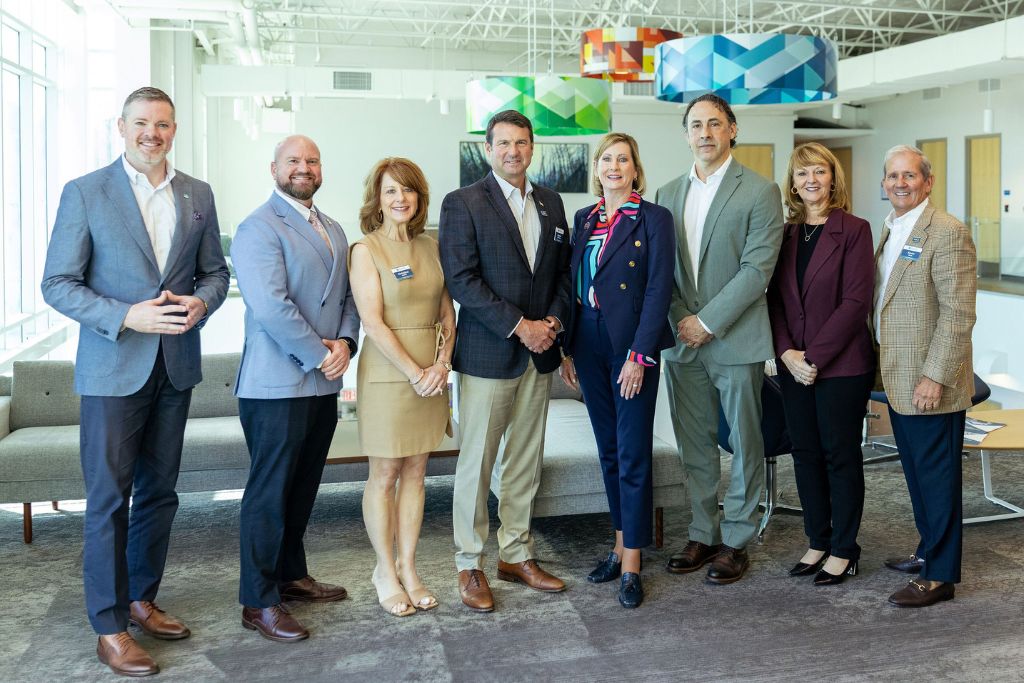
The Northshore Business Council (NBC), in partnership with Northshore Healthscape, hosted its Healthcare Summit on October 7 at the Louisiana Organ Procurement Agency (LOPA) facility in Covington.
The event brought together regional healthcare executives, higher education leaders and community health providers to discuss workforce development, healthcare access and the challenges facing the industry.
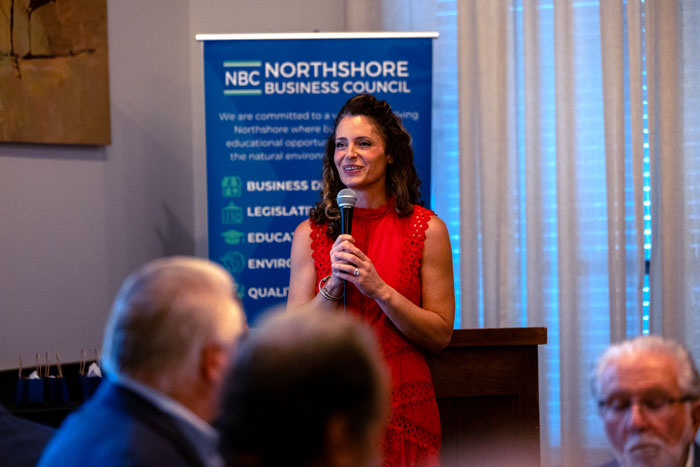
NBC Executive Director Kevin Davis and Board President Paysse McWilliams opened the program, followed by Russell Richardson of the St. Tammany Economic Development Corporation, who presented findings from the latest State of the Northshore Healthcare Industry Report.
Ashley Llewellyn of St. Tammany EDC moderated three panel discussions exploring healthcare leadership, education and workforce development, and the broader continuum of community care.
Healthcare Leaders Discuss the Value of Collaboration
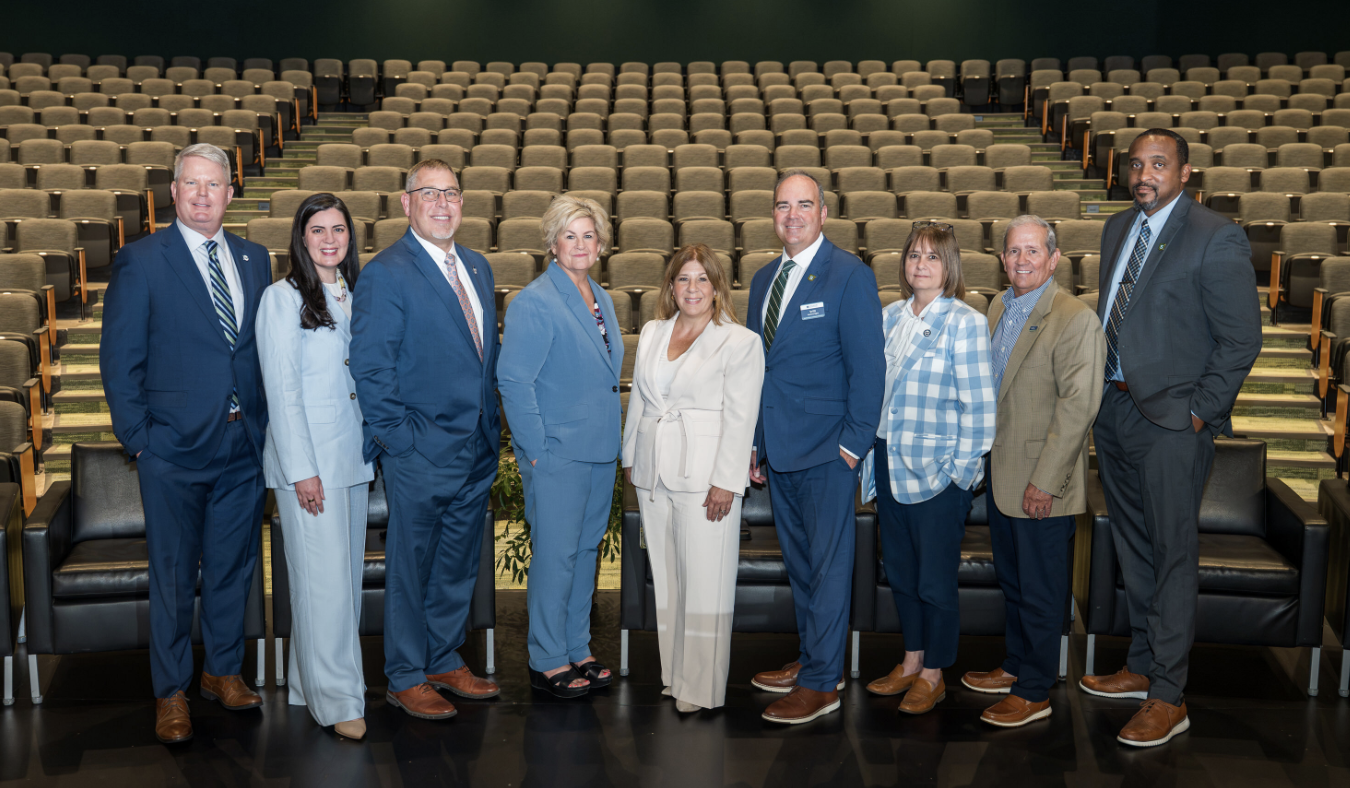
The opening panel featured leaders from five of the six health systems participating in Northshore Healthscape: Joan Coffman of St. Tammany Health System, Sandy Badinger of Slidell Memorial Hospital, Dr. Alisha Lacour of Ochsner Northshore and Mississippi Gulf Coast, Ralph Serpas of Our Lady of the Angels Health, and Ben Richaud of Lakeview Hospital, an LCMC Health partner. Michele Sutton of North Oaks Health System was unable to attend.
The discussion focused on how regional health systems are working together to address challenges that extend beyond any one hospital.
The collaboration began with weekly conversations among hospital CEOs during the COVID-19 pandemic, when staffing shortages and employee turnover were placing significant pressure on healthcare providers. Those discussions eventually developed into a formal partnership in May 2022.
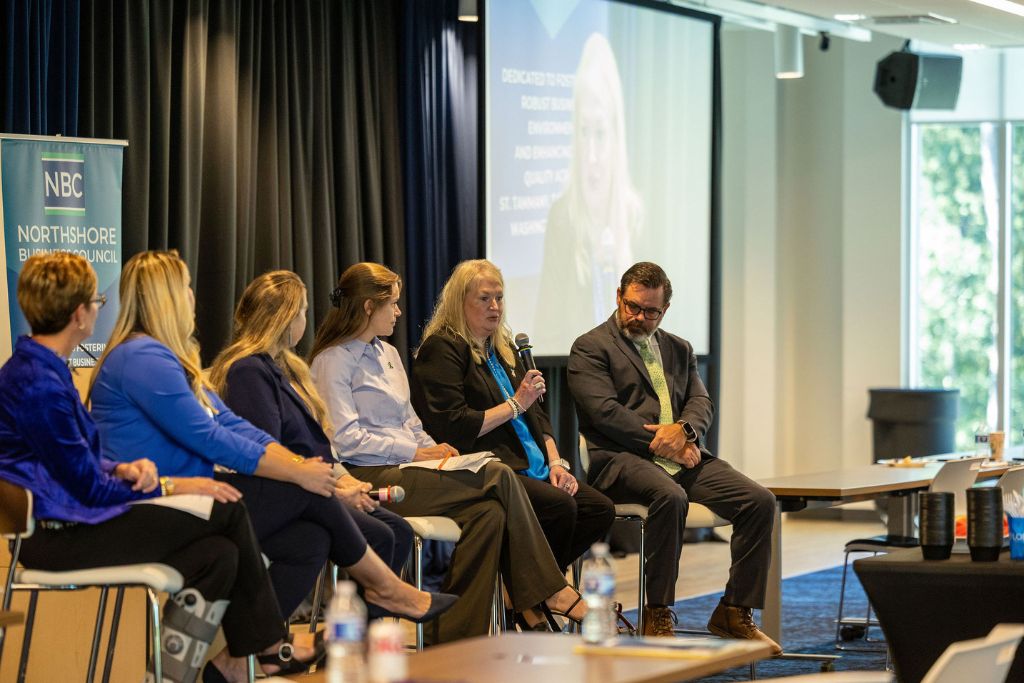
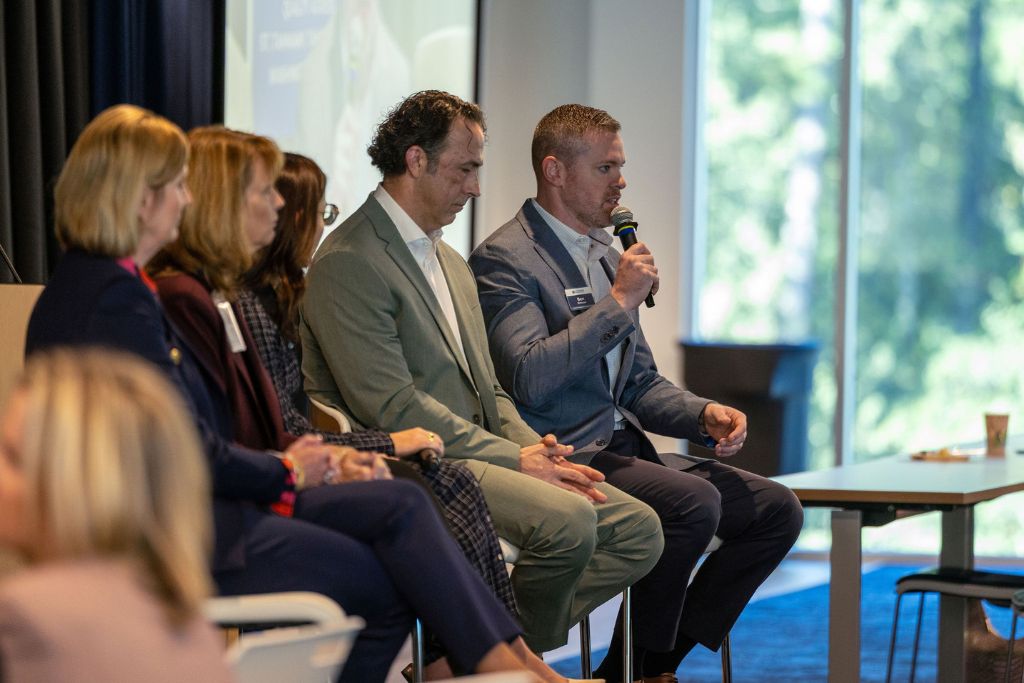
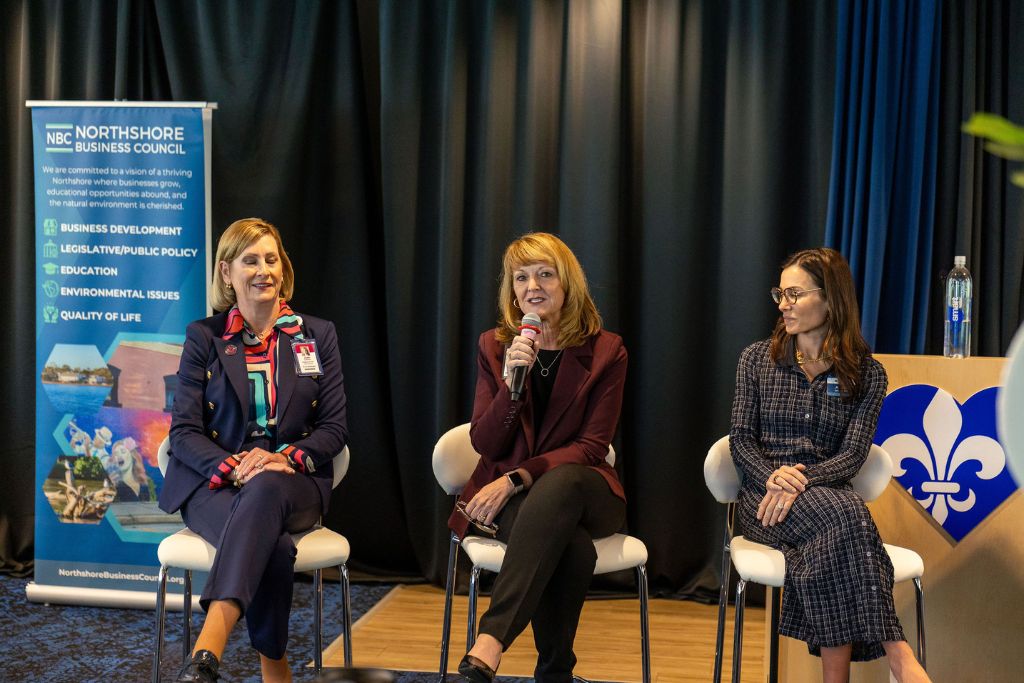
Coffman, who also chairs NBC’s Healthcare Committee, described the relationship as “co-opetition,” recognizing that hospitals compete for patients while sharing responsibility for the health of the communities they serve.
That cooperation has helped support workforce initiatives and educational partnerships. Coffman reported that overall employee turnover at St. Tammany Health System has declined to 13.5%, with nursing turnover at 8.5%, and credited partnerships with Northshore Technical Community College and Southeastern Louisiana University as important contributors.
Panelists also discussed the development of patient care technician training, expanded surgical technology education and a new patient navigator program designed to help individuals navigate complex healthcare services.
The patient navigator initiative is particularly significant because it creates opportunities for nonclinical professionals to assist patients with appointments, care coordination and access to resources, allowing nurses to focus more directly on clinical responsibilities.
Other topics included the growing use of artificial intelligence in healthcare, access to specialty services in smaller communities and the impact of housing affordability on healthcare workforce recruitment and retention.
Strengthening the Northshore's Healthcare Workforce
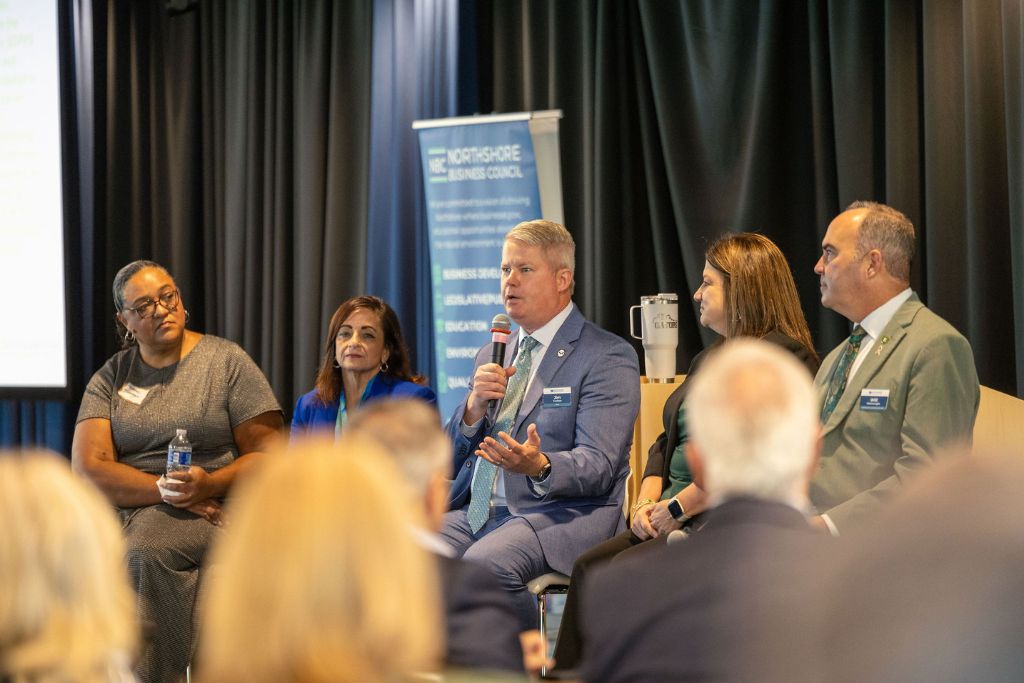
The second panel brought together representatives from Southeastern Louisiana University, Northshore Technical Community College (NTCC) and Tri-Parish Works to discuss how education and workforce partnerships are responding to regional healthcare needs.
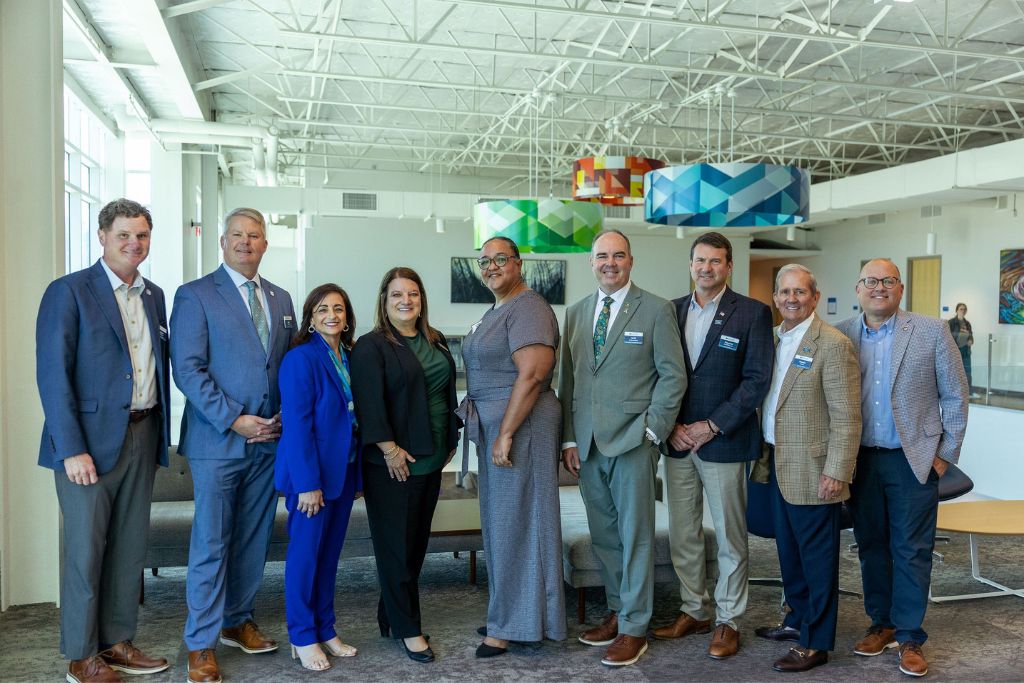
Panelists included Dr. William Wainwright and Dr. Lindsay Domiano of Southeastern, Dr. Jim Carlson and Christi Marceaux of NTCC, and Suzanne Torregano of Tri-Parish Works.
NTCC reported serving 597 healthcare students during its most recent complete academic year, awarding 213 credentials across 12 education and training pathways.
The college also launched its first patient navigator cohort this fall, with six students enrolled, and plans to introduce a surgical technology program next semester. Expanded pathways are allowing high school students to begin practical nursing coursework before graduation, creating opportunities to enter the healthcare workforce sooner.
Southeastern is also expanding its nursing education programs. Dr. Domiano reported that the university expects to admit 120 nursing students for spring 2027, compared with 88 a few years earlier. The program achieved a 97% NCLEX pass rate in 2025 and has introduced direct admission opportunities for qualified high school students, along with an accelerated nursing degree for individuals pursuing a career change.
Tri-Parish Works highlighted workforce programs available to employers and job seekers, including on-the-job training that can reimburse businesses for up to 50% of a new employee’s wages.
Throughout the discussion, panelists emphasized the importance of coordinating educational programs with actual workforce demand.
Dr. Carlson also addressed the need for consistent funding to sustain growing healthcare education programs, noting that short-term grants alone cannot support long-term workforce development.
Addressing Community Health Beyond the Hospital
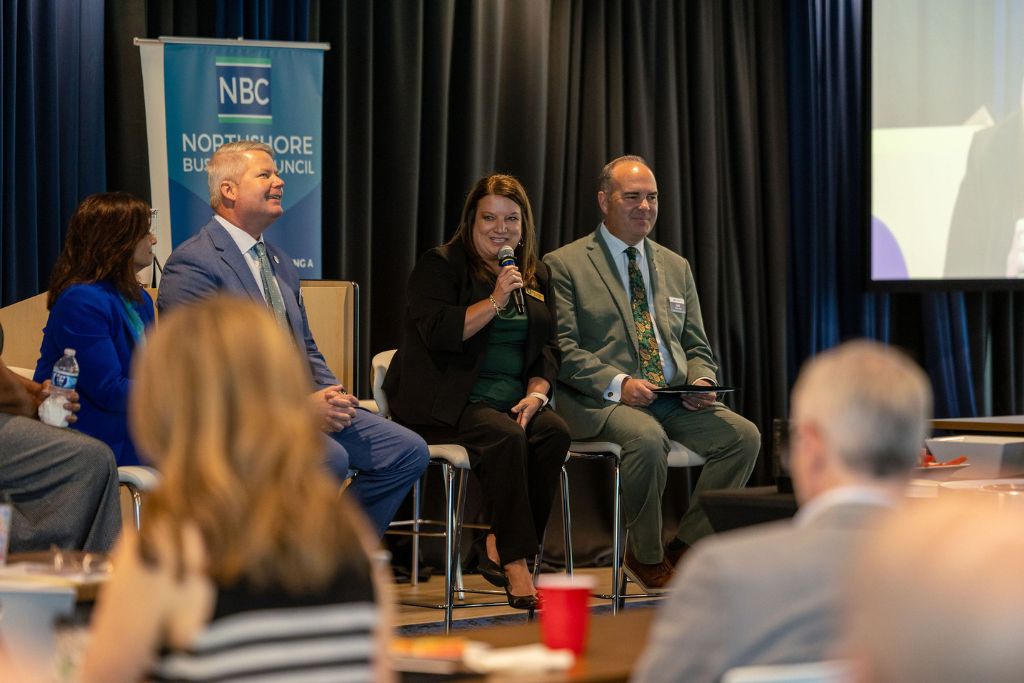
The final panel expanded the discussion to include community health, rehabilitation, long-term care and behavioral health services.
Participants included Anne Pablovich of Healthier Northshore, Lisa Bruhl of Lallie Kemp Medical Center, Richard Kramer of Florida Parishes Human Services Authority, Laurel DuPont of Northshore Rehabilitation Hospital, Kathryn Burkenstock of NAMI Southeast Louisiana and Rebecca Gauthier of Comm Care Management.
Pablovich discussed the work of Healthier Northshore, a collaborative initiative formed in 2020 by hospitals and health systems serving St. Tammany and Washington parishes.
The organization completed a joint community health needs assessment in 2025 with the Louisiana Public Health Institute and United Way. Its ongoing work focuses on chronic disease, maternal and child health, and behavioral health, with shared data used to measure regional progress.
Panelists also addressed the needs of patients and families navigating rehabilitation and long-term care, including caregiver education, support groups and newer residential care models designed to create more comfortable living environments.
Behavioral health was another major focus. Speakers discussed the importance of improving access to mental health services, reducing stigma and helping employers recognize when employees or family members may need additional support.
Richard Kramer of Florida Parishes Human Services Authority encouraged attendees to view behavioral health as an essential part of overall healthcare.
The Business Community's Role in Healthcare's Future
The summit concluded with a discussion of the opportunities and challenges ahead for the Northshore healthcare industry.
Across all three panels, a consistent priority emerged: sustaining regional progress will require continued coordination among healthcare providers, educational institutions, employers and community organizations.
Workforce availability, affordable housing, behavioral health resources and access to specialized care all affect the region’s ability to support a growing population and economy.
Coffman noted that demand for post-acute care is projected to increase 31% over the next decade, reinforcing the need for additional planning and investment.
Attendees were encouraged to become involved through the Northshore Business Council’s Healthcare Committee and participate in ongoing conversations about the industry’s future.
The summit demonstrated the scope of collaboration already underway across the Northshore and the opportunities for the business community to help address the region’s evolving healthcare needs.
Explore the latest State of the Northshore Healthcare Industry Report:
View the State of Healthcare Report
For more information about the Northshore Business Council or its Healthcare Summit, contact Executive Director Kevin Davis.