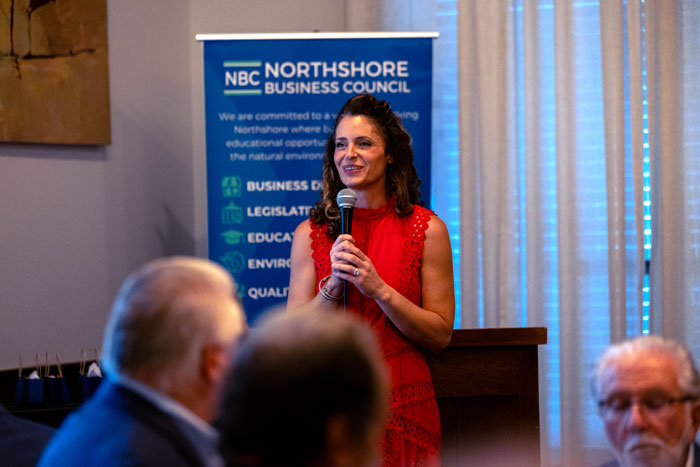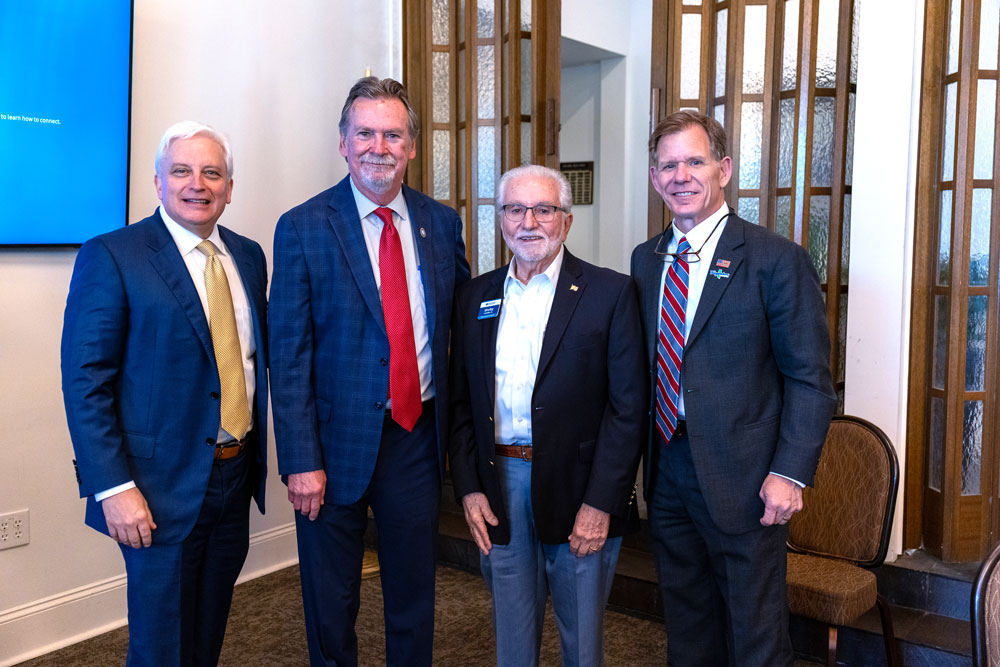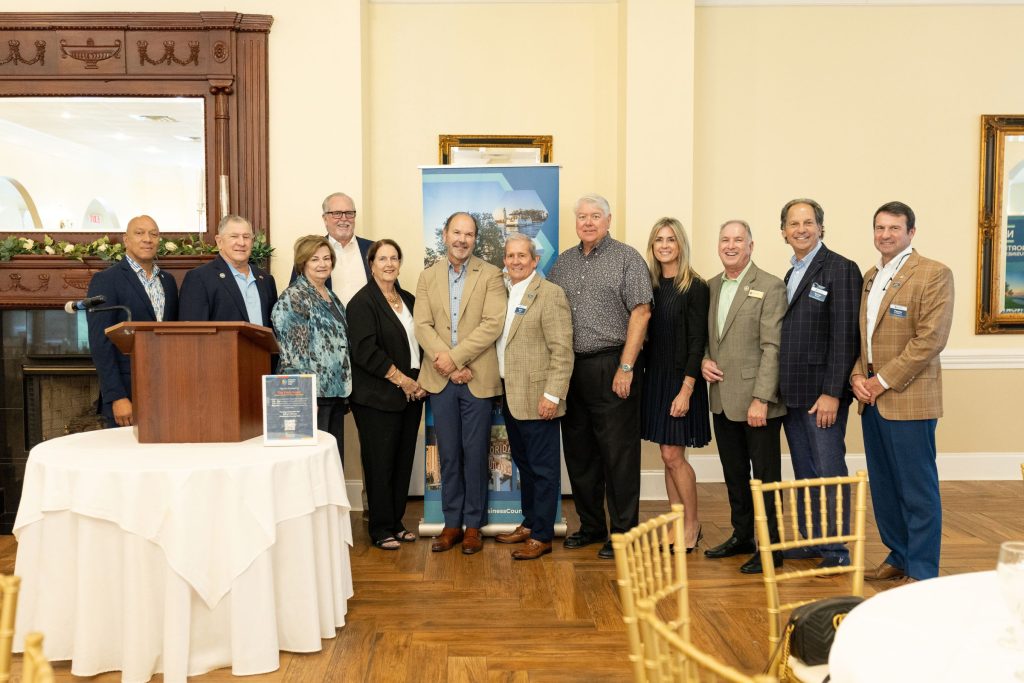
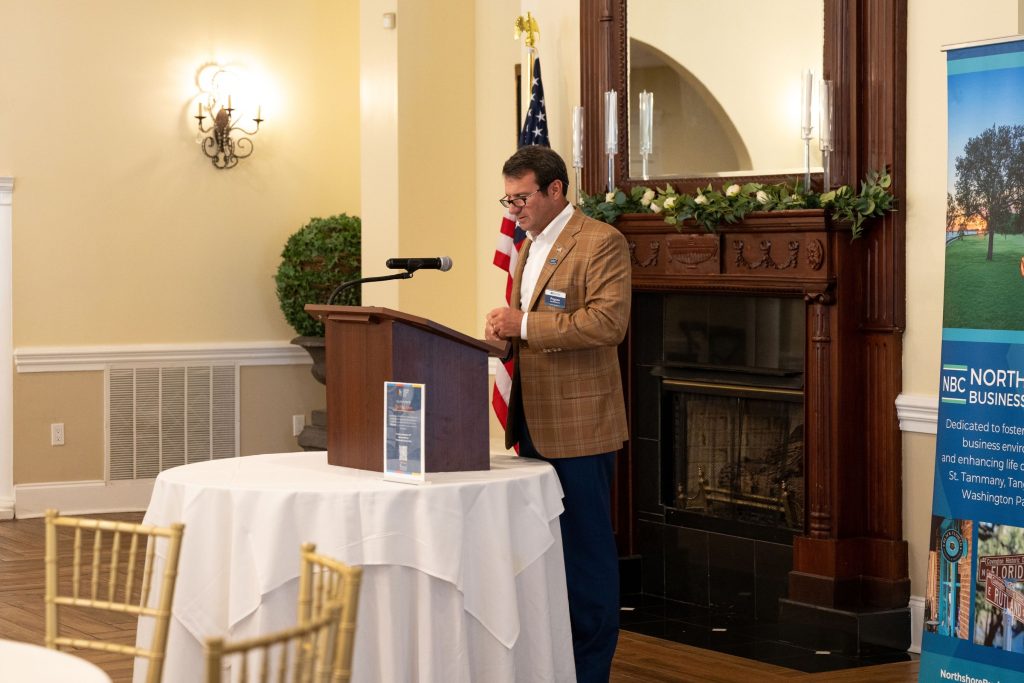
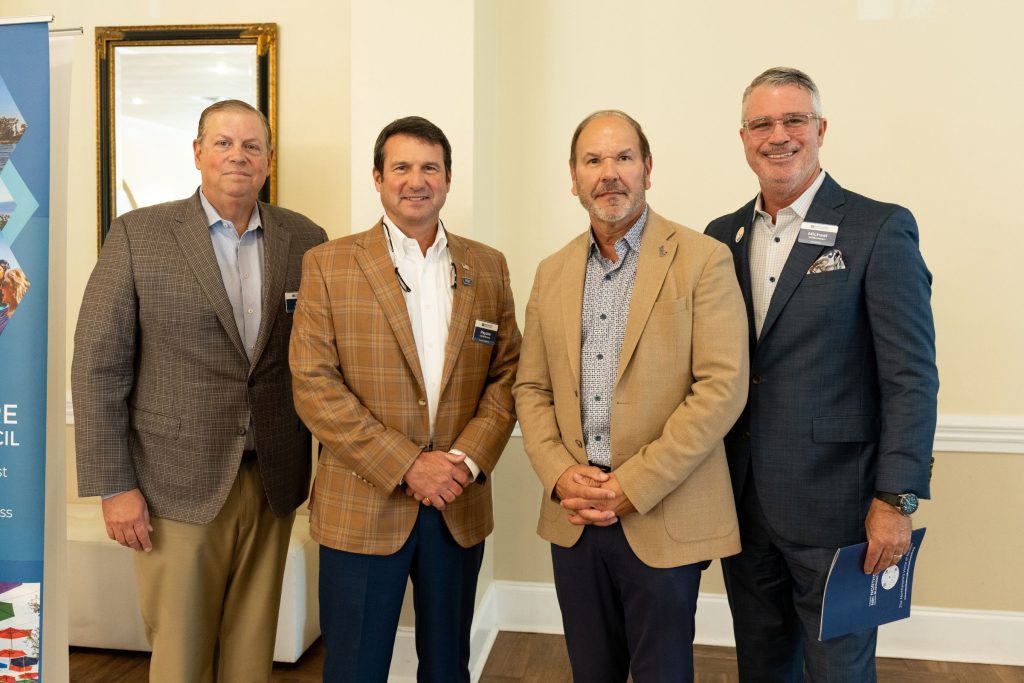
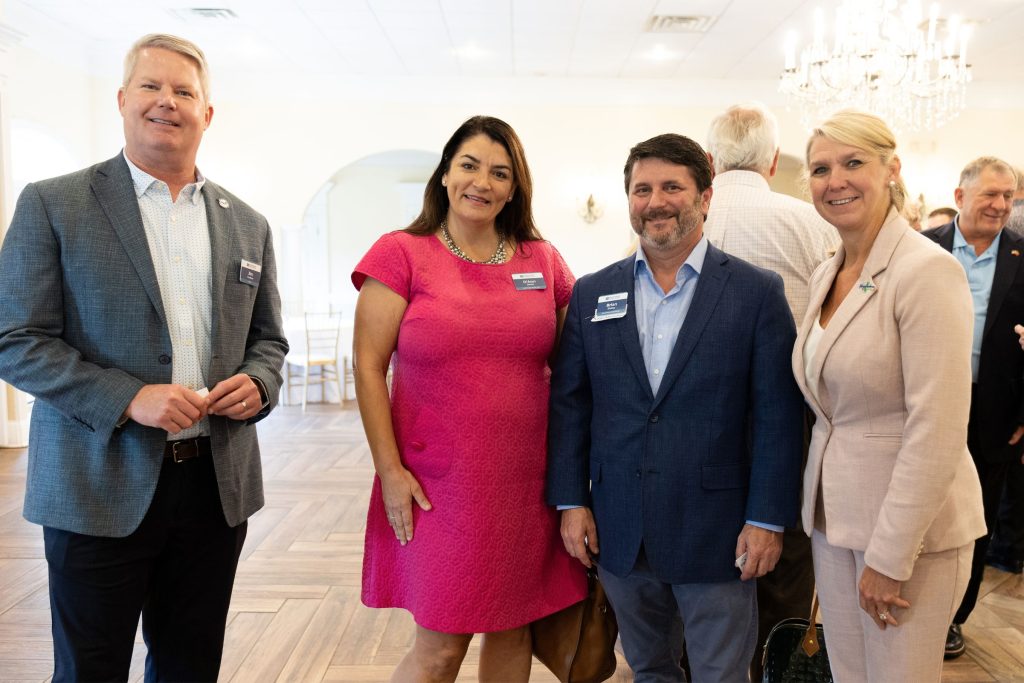
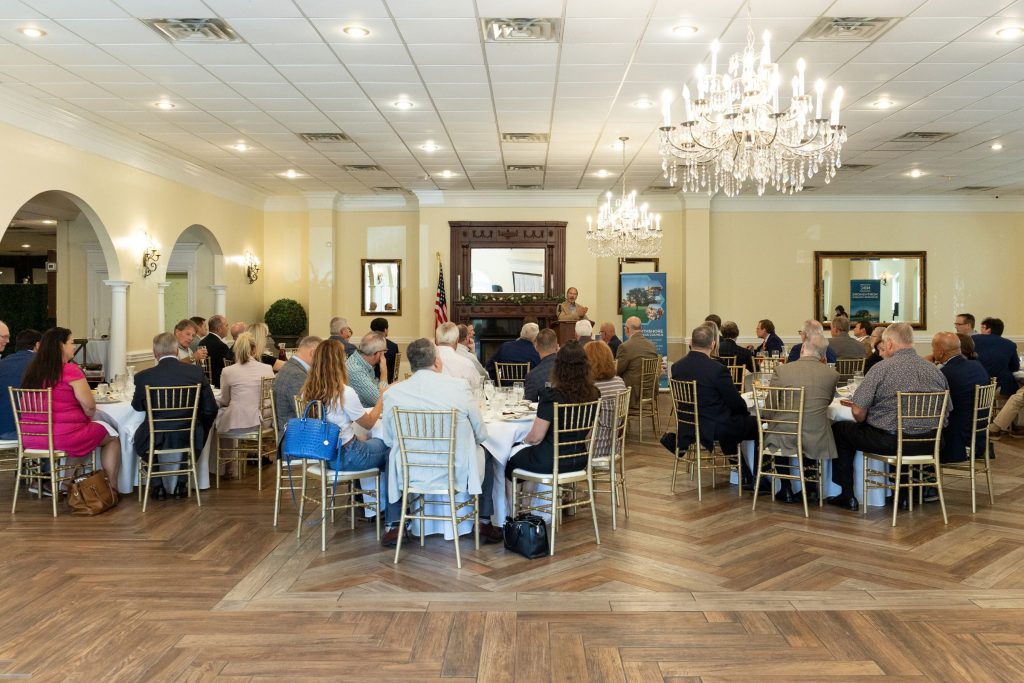
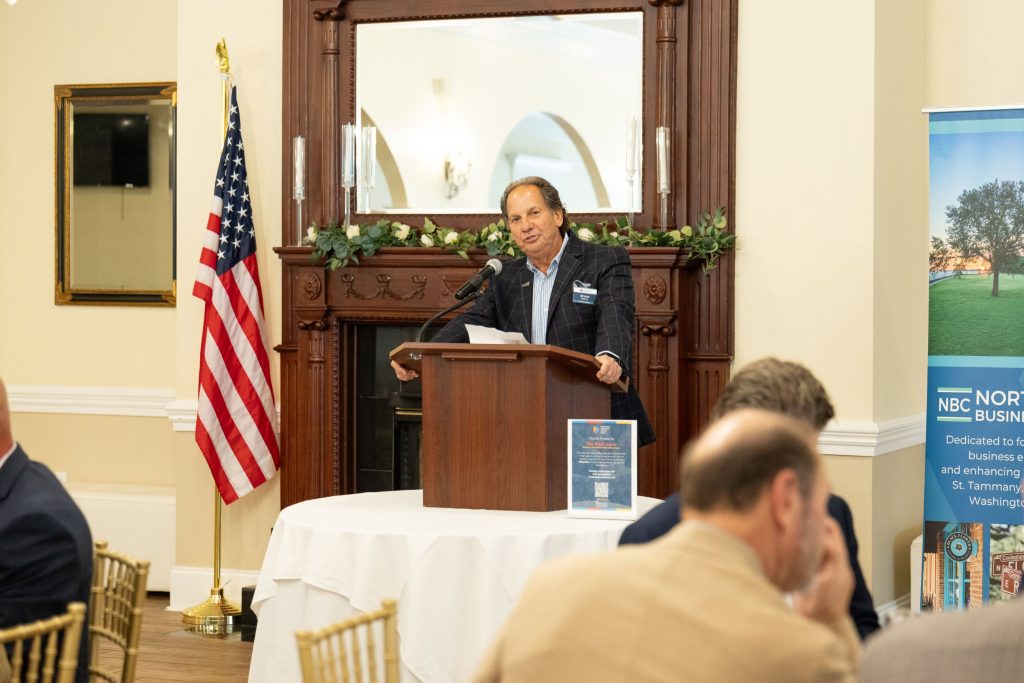
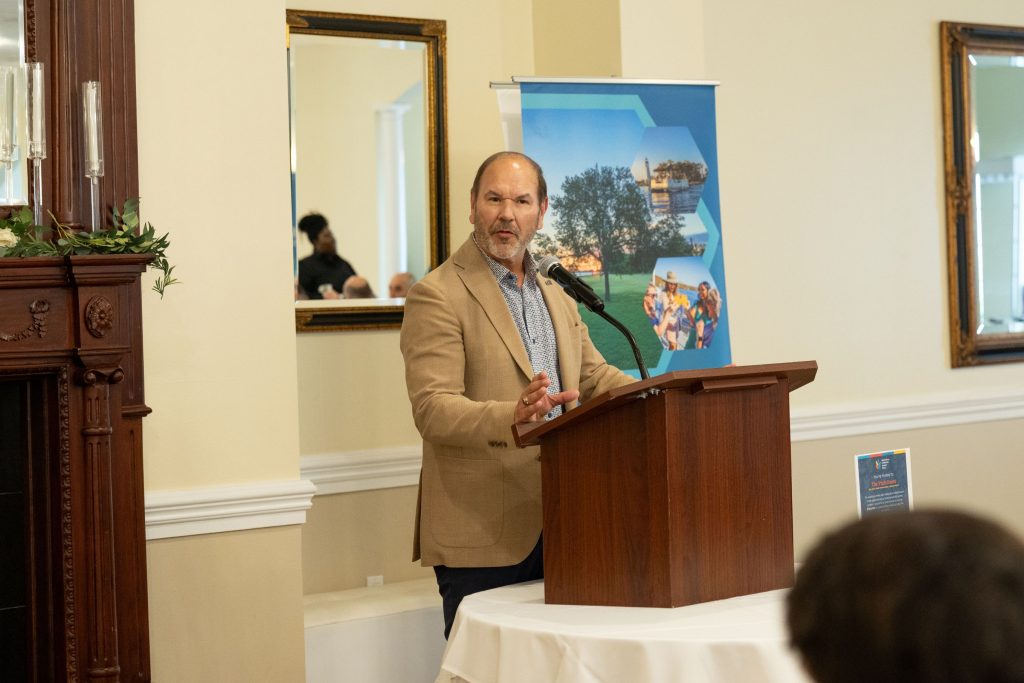
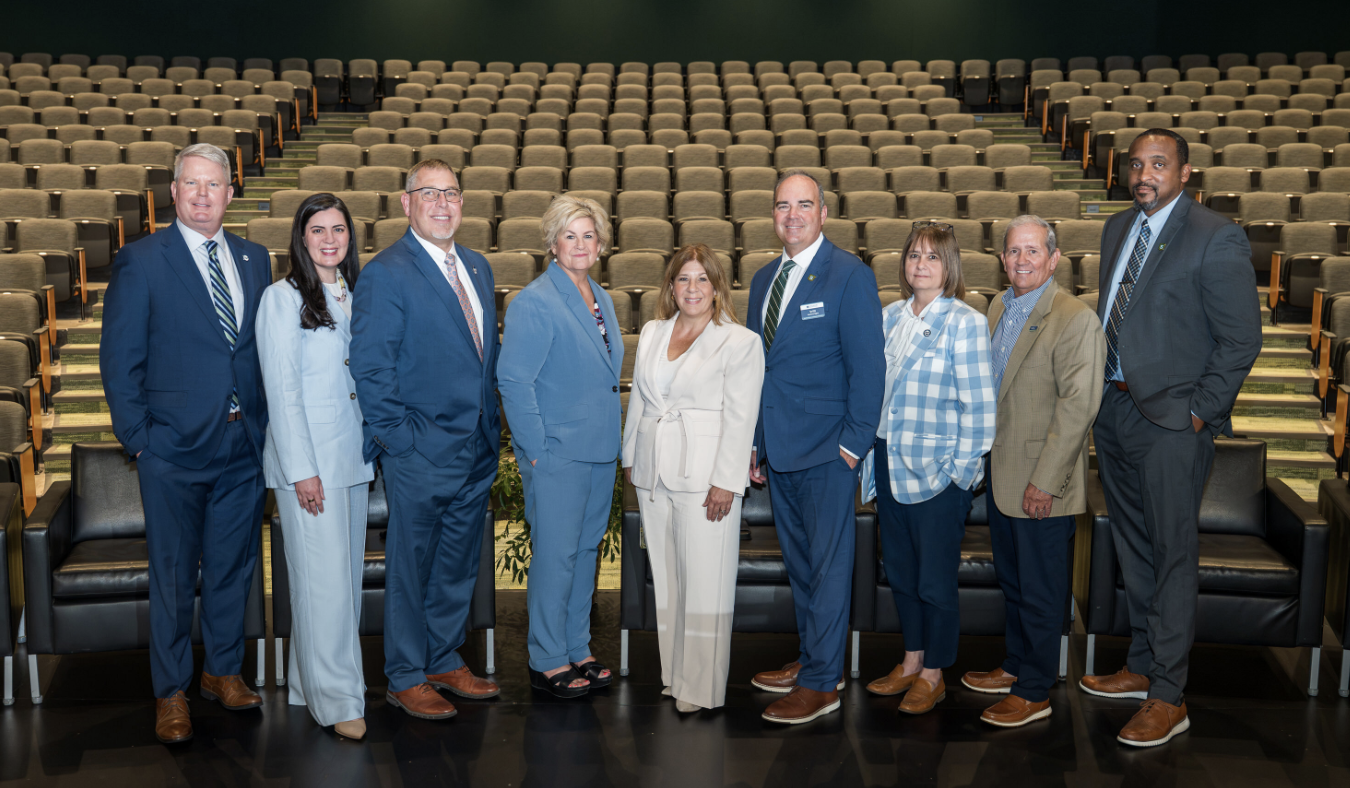
At the Northshore Business Council's September 16 membership luncheon, Cleco President and CEO Bill Fontenot gave members an inside look at the forces reshaping Louisiana's energy future: new ownership, data centers, aging infrastructure, and the workforce needed to build what comes next.
New Owners, Same Commitments
Fontenot opened with the pending sale of Cleco to Stonepeak and Bernhard Capital Partners. He described Stonepeak as the “financial muscle” needed to fund major growth and infrastructure projects, and Bernhard as a partner with deep Louisiana roots.
The sale still needs several approvals, with the Louisiana Public Service Commission as the final step. Fontenot said it could close as early as December.
He expects the review to move quickly because of the new owners’ commitments. When Cleco went private in 2016, its owners made over 70 commitments to customers, communities, employees, and service quality. Those 10-year commitments recently expired, and the new owners have agreed to reinstate them for another decade. Fontenot said this reflects the kind of owners Cleco will have going forward.
Data Centers and a Regulated Advantage
Fontenot said data centers are driving Cleco’s growth more than anything else. He pointed to the Applied Digital AI campus in Rapides Parish, which Cleco will power. It is expected to bring jobs paying 150% of the state average.
That single customer could raise Cleco’s energy sales by about 30 percent. Service will ramp to roughly 100 megawatts by next April and about 400 megawatts over the following 18 months.
He addressed a common concern: that data centers drive up electricity costs for everyone else. In Louisiana’s regulated market, he explained, data centers pay the full tariff set by the Public Service Commission, plus the cost of the infrastructure needed to serve them. When revenue exceeds what regulators allow, the benefit flows back to customers.
Cleco also sees growth from autonomous surface vessels defense operations in South Louisiana, and from pipelines moving Haynesville Shale gas to southwest Louisiana using electric compression.
Replacing 50-Year-Old Infrastructure
Much of the country’s power grid was built in the 1960s and 70s, Fontenot said, and those assets are nearing retirement. Cleco has proposed a new generating unit costing in the billions, which it needs with or without the data center.
The data center makes that unit much more affordable for everyone else. Fontenot estimated it could cut existing customers’ share of the cost by 50 to 75 percent.
Cybersecurity and Workforce
In the Q&A, members asked about grid security. Fontenot said Cleco spends heavily on cybersecurity and works within national networks connected to the FBI. He added that while poles and wires may look the same as they did decades ago, today’s grid is run from secure control centers.
On workforce, he said Cleco’s own hiring needs are modest. The bigger challenge is construction labor. With data centers, Saronic, and other major projects underway, much of that labor will have to come from out of state. Technical colleges are gearing up, he said, and while the state may lag at first, it will catch up.
A Continued Commitment to the Community
Fontenot closed by thanking members and affirming that Cleco will stay civic-minded, charitable, and engaged in the communities it serves, including St. Tammany.
The Northshore Business Council thanks Bill Fontenot and Cleco for joining us.